What is Salsa Dancing?
- Edita Doncakova
- Mar 9
- 2 min read

Can Anyone Learn Salsa?
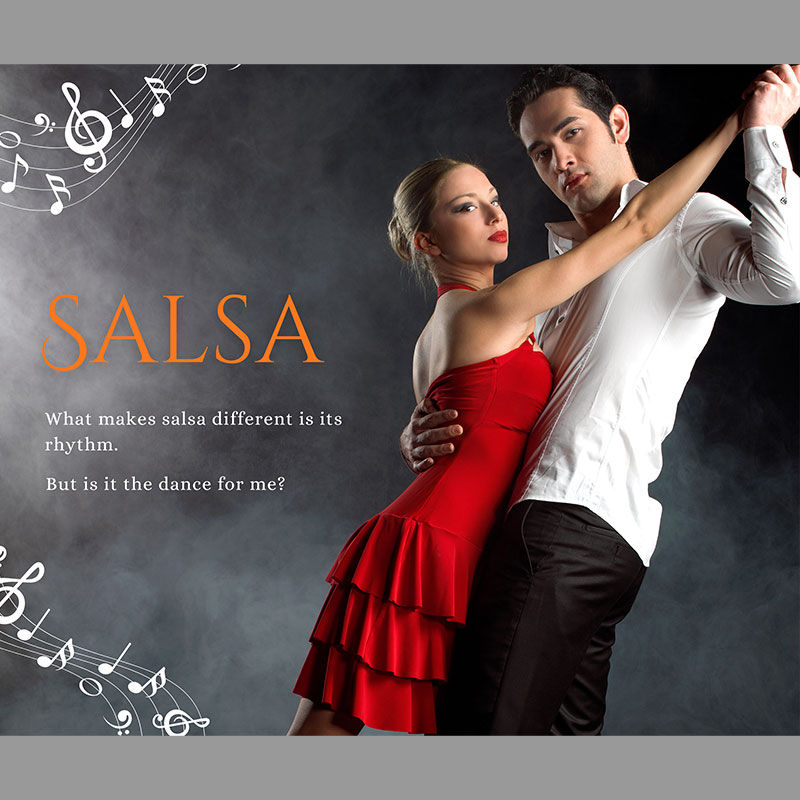
Salsa is one of the world's most popular social dances. It’s a fun partner dance based on lead and follow. In simple terms, lead and follow mean the leader suggests the movement, and the follower responds to it. When done well, the dance looks and feels smooth and coordinated.
What makes salsa unique is its rhythm. There are several styles, and while the techniques vary slightly, they all share the same lively music and social atmosphere.
Salsa is fundamentally a rhythm-driven dance. In most music, the strong beats are easy to follow and dance to. Salsa is a syncopated dance, meaning the rhythm shifts emphasis between the beats, creating a slightly unexpected off-beat feel. Because of this, if someone is unable to feel the music, salsa can be challenging to learn.
Dancing salsa isn't just about learning the steps; it's about dancing inside the music's rhythm and engagement with your partner, visually as well as physically.
If you can feel the beat and allow it to guide you, you'll love salsa.
The name “salsa” (meaning “sauce” or “spice” in Spanish) became widely popular in the 1960s and 1970s in New York, particularly through the promotion of Latin music by Fania Records. The label helped popularise a vibrant musical style influenced by Cuban, Puerto Rican, and other Caribbean traditions, which in turn helped spread salsa music and dancing internationally.
Salsa dancing trains the brain and body. Dancers must react to music, interpret their partner’s movements, and navigate the dance floor, which can help improve coordination and spatial awareness.
Although salsa is an active dance, no level of fitness is required. What matters most is rhythm, connection, and the ability to move naturally with the music. For many people, that is what attracts them to this fun, vibrant dance.



Comments